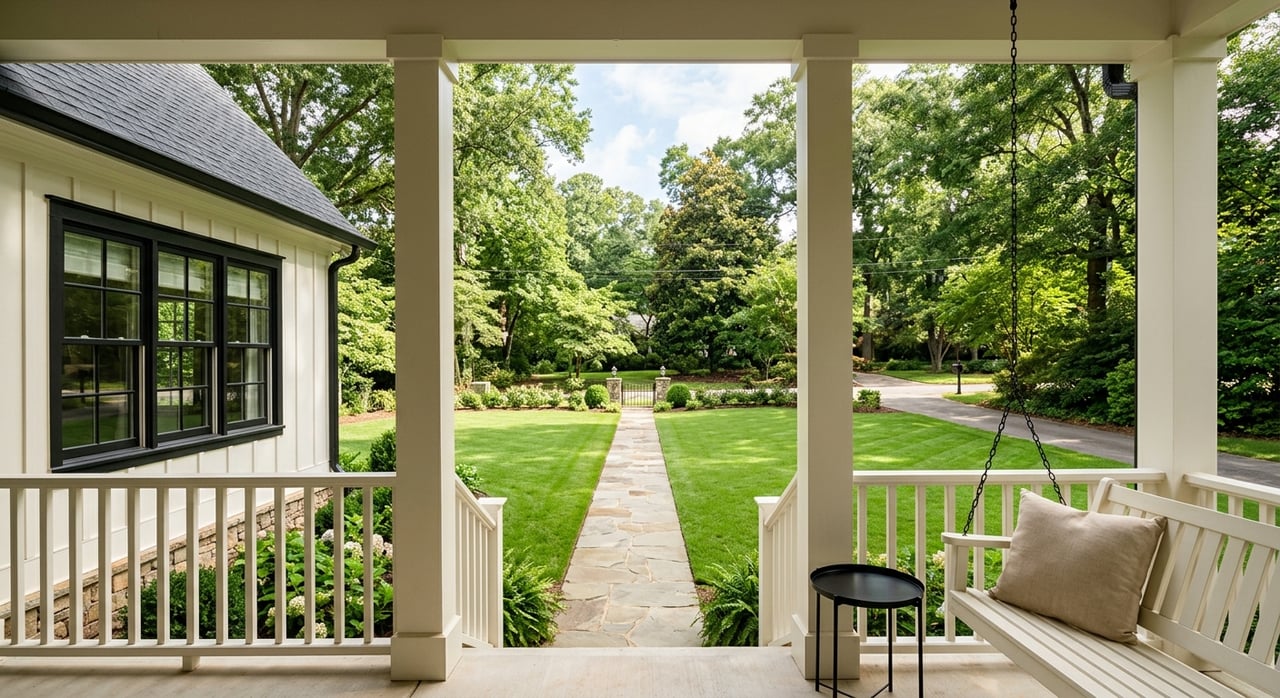
Looking for a place where life feels a little slower, neighbors know each other, and homeownership may be more within reach? Nashville, Georgia offers that small-town feel many buyers crave, along with everyday services, a historic downtown, and access to jobs across the South Georgia corridor. If you are wondering what it is really like to live here, this guide will walk you through the lifestyle, housing picture, commute patterns, and daily conveniences that shape small-town living in Nashville. Let’s dive in.
Why Nashville Feels Like a Small Town
Nashville is the county seat of Berrien County and the largest city in the county, but it still stays compact in scale. In 2020, the city had 4,947 residents spread across 4.7 square miles, which helps explain why it feels close-knit and easy to navigate.
That smaller footprint is part of the appeal. You are not dealing with the pace or sprawl of a major metro, and many daily errands and local destinations stay relatively close to home. For buyers who want a more grounded, community-centered setting, that can be a big draw.
Berrien County also reflects a rural character overall. The county had 18,160 residents in 2020 across 453.4 square miles, with a population density of 40.1 people per square mile. That broader setting adds to the sense of open space around Nashville.
Nashville Location and Regional Access
Small-town living does not always mean being cut off. Berrien County sits just east of Interstate 75 in South Georgia and is served by US 129, US 82, and several state routes. The area is about 200 miles south of Atlanta and about 50 miles north of the Florida line.
That location matters if you want a quieter home base without giving up access to surrounding job centers and services. Valdosta is to the south, Tifton is to the northwest, and Moody Air Force Base is less than 20 miles from the heart of the county. For many households, Nashville offers a practical middle ground between rural living and regional connectivity.
Housing Costs in Nashville and Berrien County
For many buyers, affordability is one of the strongest reasons to look at Nashville. Berrien County has a 71.0 percent owner-occupied housing unit rate, which is higher than Georgia’s 65.7 percent. That points to a market where homeownership is a meaningful part of the local housing mix.
The cost picture also stands out. Berrien County’s median owner-occupied home value is $131,600, compared with $303,300 statewide. Median gross rent is $782, compared with $1,393 across Georgia.
Those numbers suggest a lower-cost housing environment than many buyers will find elsewhere in the state. If you are relocating from a larger Georgia market, Nashville may offer more flexibility in your budget, whether you want a starter home, more land, or a property with renovation potential.
Downtown Character Adds to the Appeal
A lot of Nashville’s identity is tied to its historic downtown. Nashville Main Street reports that since the community became a Main Street city in 2001, more than 60 downtown properties have been developed or refurbished. The effort has also led to two downtown parks and a local farmers market.
That kind of reinvestment matters because it supports the feel of the town day to day. A preserved downtown core can add charm, create gathering spots, and give residents a stronger sense of place. If you value a town with visible history and ongoing local investment, Nashville offers that atmosphere.
What Daily Life Looks Like
One of the biggest questions buyers ask is simple: what does everyday living actually look like here? In Nashville, many key services are handled locally. The city provides water, sewer, natural gas, garbage pickup, street and drainage maintenance, plus police and fire protection.
Healthcare access is also part of the local picture. SGMC Berrien Campus in Nashville offers inpatient, outpatient, and 24-hour emergency services. That kind of nearby care can be an important factor when you are comparing small towns.
You will also find practical community anchors close to the center of town. The Nashville Post Office operates on South Bartow Street, and downtown includes local dining spots such as The Quirky Perk in the historic district.
Schools and Learning Options
For households thinking about long-term convenience, Nashville offers local and regional education access. The Berrien County School District serves about 3,200 students in five schools.
For continuing education and workforce training, Wiregrass Georgia Technical College has a Nashville campus downtown. Other nearby higher education options include Valdosta State University, Abraham Baldwin Agricultural College, Southern Regional Technical College, and Georgia Military College, all about 23 to 29 miles away.
That gives residents a mix of in-town and regional options without needing to live in a larger city full time. For some buyers, that balance is part of what makes Nashville practical.
Work and Commuting From Nashville
If you are moving to Nashville, it helps to understand that many residents commute beyond the city and even beyond the county. The 2024 ACS commuting data for Nashville shows 2,073 workers age 16 and over. Of those workers, 84.5 percent commute by car, truck, or van, 73.3 percent drive alone, and 6.8 percent work from home.
One number stands out in particular: 45.1 percent of workers travel outside Berrien County for work. That tells you Nashville is not only a place where people work locally. It is also a place where many residents choose small-town living while commuting to jobs across the broader South Georgia region.
Berrien County reports a mean travel time to work of 24.6 minutes, which may feel manageable for buyers who are used to heavier urban traffic. If your job is in a nearby community, Nashville can offer a more relaxed home base while keeping regional employment options in reach.
Local Employers and Economic Base
Nashville and Berrien County have a diverse employer mix for a smaller area. According to local chamber and development authority information, agriculture is the county’s number one industry.
The chamber also lists top private employers such as Chaparral and Robalo Boats, WinFab, BH Electronics, SGMC Health Berrien, and Dupont Pine Products. Public employers include Berrien County Schools, Berrien County, and the City of Nashville.
For buyers considering relocation, that mix helps paint a clearer picture of the local economy. It also reinforces the idea that Nashville functions within a wider regional job network rather than as an isolated town.
Community Events and Social Life
Small-town living is often about more than housing costs. It is also about the rhythm of local life. In Nashville and across Berrien County, community events are a visible part of that experience.
The local chamber’s annual events include the Harvest Festival, Christmas Parade, Field of Screams, Berrien County Roundup Rodeo, and Independence Day celebrations in Nashville and nearby towns. Nashville Main Street also hosts recurring events such as Bingo Night at Milltown Hall and supports programming around the downtown square.
For many residents, these recurring events help create familiarity and connection. If you want a place where local traditions still shape the calendar, Nashville offers that kind of setting.
Churches and Civic Life
The city describes itself as working in harmony with industrial and business communities, churches, and civic organizations. That speaks to the way local institutions are woven into day-to-day life.
Publicly listed congregations in the area include Abundant Life Church, Flat Creek Church, and Nashville Methodist Church. Along with civic organizations and community programming, these institutions help form part of the town’s social fabric.
For buyers who value community involvement, Nashville’s small scale can make it easier to build local connections over time. That does not mean every resident has the same lifestyle, but it does mean there are visible ways to plug into the community.
Is Nashville Right for You?
Nashville may be a strong fit if you want lower housing costs, a historic small-town setting, and a location that still connects you to surrounding South Georgia job centers. It can also appeal to buyers who want more space, a simpler pace, or a home with renovation potential.
Like any move, the tradeoff matters. Nashville offers small-town scale and lower costs than Georgia overall, but many employment opportunities are spread across the region rather than concentrated right in town. For the right buyer, that balance feels less like a drawback and more like the best of both worlds.
If you are considering a move to Nashville, it helps to have local guidance that goes beyond a quick online search. From understanding commute patterns to evaluating older homes or value-add properties, a knowledgeable local advisor can help you make a smart decision with confidence.
If you are exploring homes in Nashville or anywhere in South Georgia, Ramona Bennett offers personalized guidance, relocation support, and practical property insight to help you move forward with clarity.
FAQs
What is small-town living like in Nashville, GA?
- Small-town living in Nashville, GA means a compact community with about 4,947 residents, a historic downtown, local events, nearby essential services, and a slower pace than many larger Georgia markets.
How affordable is housing in Nashville, GA?
- Berrien County has a median owner-occupied home value of $131,600 and a median gross rent of $782, both well below Georgia statewide figures in the research provided.
Do people commute from Nashville, GA for work?
- Yes. Nashville has a regionally mobile workforce, with 45.1 percent of workers traveling outside Berrien County for work and a reported mean travel time of 24.6 minutes countywide.
What amenities are available in Nashville, GA?
- Nashville offers local city services, police and fire protection, healthcare through SGMC Berrien Campus, a post office, dining in the downtown area, parks, and a farmers market.
Is Nashville, GA a good option for relocation in South Georgia?
- Nashville can be a practical relocation option if you want lower housing costs, small-town character, and access to nearby communities such as Tifton and Valdosta for work, school, or other services.
