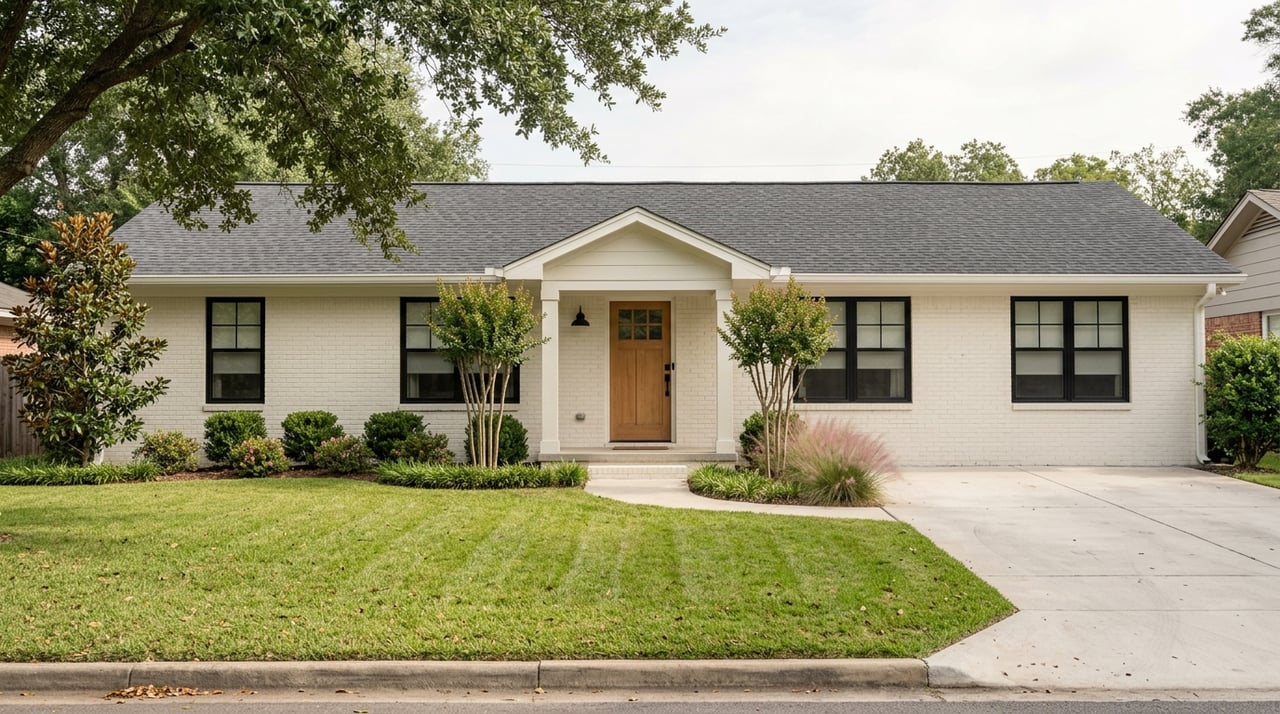
If you are trying to picture what living in Valdosta actually feels like, the answer is not just one look or one type of neighborhood. This city has a mix of historic homes, mid-century ranches, compact older houses, and newer growth-area options, which can make your home search feel exciting and a little hard to sort through. When you understand how home styles connect to neighborhood feel, you can narrow your search faster and choose a home that fits your daily life. Let’s dive in.
Valdosta Has a Mixed Housing Market
Valdosta does not revolve around a single home style. The city has 55,252 residents, a median age of 28.9, a median owner-occupied home value of $182,800, and a median gross rent of $1,054. About 84% of residents lived in the same house one year earlier, which points to a market that is active but not highly transient.
Detached single-family homes remain the main part of the local housing stock. City data shows 63% of residential properties are detached single-family homes, while 3% are attached single-family, 10% are 2-to-4-unit properties, 19% are 5-to-19-unit properties, and 4% are 20-plus-unit properties. That gives you a broader mix than you may expect from a South Georgia city.
For buyers, that variety matters. You can look at older in-town homes with character, more practical postwar neighborhoods, or areas with attached and multifamily housing if you want a different setup. It also means one part of Valdosta can feel very different from another.
Historic Homes in the City Core
What you will see in older areas
If you love older homes, Valdosta’s historic core is where the city’s early character stands out most. The Valdosta Historic District covers about 150 blocks, and the city’s survey of the area found bungalows as the most common house type among recorded resources. The survey also documents Queen Anne cottages, side-gabled cottages, English cottages, American Small Houses, and other early home types.
These homes often bring more visual variety than newer construction. You may notice front porches, different rooflines, and older floor plans that reflect an earlier era of home design. In many cases, these houses feel more distinctive from one block to the next.
Why bungalows matter in Valdosta
Bungalows were especially common in the historic survey, and that matters because they help define the look of older in-town Valdosta. The city notes that their porch-forward design, low-pitched roofs, and adaptable layout made them a practical fit for the local climate. If you want a home with visible character from the street, this is one of the styles to watch for.
Older homes can also appeal if you are open to updates over time. Ramona Bennett’s contractor background can be especially valuable here, because understanding renovation scope before you buy can help you avoid surprises and plan improvements more confidently.
Ranch Neighborhoods Offer Simpler Layouts
Where ranch homes fit in
The city’s historic survey says ranch houses became the most popular post-World War II house type in Valdosta. They spread through growing residential areas north, east, and west of downtown from the 1960s through the 1980s. If you picture a classic one-story neighborhood, this is often the style you are seeing.
Ranch homes are typically described as one-story, rectangular houses that often combine wood and masonry. Many also include garages or carports. That straightforward design still appeals to many buyers today.
Why buyers often like ranch homes
For everyday living, ranch homes can feel more simple and functional. Fewer stairs and a more direct floor plan can make day-to-day movement easier. Their shape and layout can also make it easier to think through updates if you want to personalize the home over time.
If you are comparing charm versus convenience, ranch neighborhoods often land somewhere in the middle. They may not have the same architectural detail as older historic homes, but they can offer practical layouts in established parts of the city.
Small-Lot Homes Add Another Option
Compact older homes in established areas
Some parts of Valdosta have a more modest, small-lot residential pattern. The Southside neighborhood plan describes the area as a long-established residential community where modest one-story frame residences are common. That gives some neighborhoods a more compact and closely knit physical feel.
The same city plan notes that many homes in the area were lost to demolition or deterioration. As a result, some older neighborhoods can feel uneven from block to block. One street may show signs of reinvestment, while another may have a different level of upkeep or redevelopment.
The American Small House as a useful middle ground
The city’s historic survey also highlights the American Small House, a compact square or rectangular house type created to meet affordable postwar single-family demand. For buyers, this style can be a useful middle ground between an older bungalow and a later ranch. It helps explain why some neighborhoods feel transitional in both age and design.
If you are open to a smaller footprint, these homes may offer a more manageable entry point into ownership. They can also be worth a closer look if you are renovation-minded and want to balance cost, size, and long-term potential.
Downtown and Infill Feel Different
A more compact setting
Downtown Valdosta has a different feel from later suburban areas. The downtown master plan highlights features like the alley network, courthouse vista, and downtown street pattern as key parts of the area’s identity. Together, those features suggest a more compact and pedestrian-oriented environment in the core.
That does not mean every housing option downtown looks historic or detached. It means the setting itself tends to feel more connected and urban in form than neighborhoods that developed later.
More attached and apartment-oriented housing
Valdosta is not only a detached-home market. City housing data already shows attached and multifamily properties throughout the city, and recent downtown development has added to that mix. In late 2025, the city announced a downtown mixed-use project with more than 50 apartment units, and the downtown master plan also envisioned infill townhome development in the core.
If you want lower-maintenance living or prefer a location with a more central feel, attached or apartment-style options may be part of your search. This is one more reason it helps to define your lifestyle first, then match it to the part of Valdosta that fits best.
Neighborhood Feel Changes Across the City
Older areas and revitalization zones
Valdosta has several older neighborhoods where reinvestment is part of the story. The city says a significant portion of its oldest communities was designated a HUD Designated Revitalization Area, and it has neighborhood-specific revitalization plans for 16 neighborhoods. The Cypress neighborhood, for example, is described as a mid-twentieth-century neighborhood of second-generation suburban residences that grew outward from downtown.
The city’s neighborhood development programs also focus on rehabilitation, down payment assistance, and reinvestment in older areas. For you as a buyer, that means some neighborhoods may offer established housing stock along with signs of active improvement. It also means conditions can vary within the same general area.
West of I-75 and growth corridors
The city’s current Consolidated Plan says I-75 divides Valdosta, with many lower-income communities east of the interstate and many growth areas west of it. From a home search standpoint, that helps explain why the west side is often seen as part of the city’s growth pattern, while many east-side areas feel more established and may show older housing stock.
This kind of contrast is important when you tour homes. The style of house, age of construction, and overall neighborhood pattern may shift noticeably depending on where you are in the city. Looking at homes without considering that bigger context can make comparisons harder than they need to be.
What Older Homes May Require
Older homes can offer charm and opportunity, but they often come with more maintenance responsibility. The city’s Consolidated Plan states that as housing ages, maintenance costs rise. It also identifies 8,169 housing units built before 1978 as potentially at risk for lead exposure.
The city says homes rehabilitated with federal or local funds are tested for lead-based paint hazards and abated if needed. Even so, if you are considering an older property, careful due diligence matters. Inspections, repair budgeting, and a realistic renovation plan become a bigger part of the buying process.
This is where contractor-level insight can make a real difference. If you are weighing an older bungalow, a compact frame house, or a mid-century ranch that needs updating, it helps to have guidance that looks beyond surface finishes and focuses on scope, cost, and practicality.
How to Match Style to Your Lifestyle
The best home style for you depends on how you want to live day to day. In Valdosta, the main tradeoff is often between character and renovation potential on one side, and newer convenience with lower short-term maintenance on the other. Neither option is automatically better. It just depends on your goals.
Here are a few simple ways to think about it:
- If you want architectural character, look more closely at historic and in-town areas.
- If you want a practical one-story layout, ranch neighborhoods may be a strong fit.
- If you want a smaller home or a possible value-add opportunity, compact older homes may be worth exploring.
- If you want a more central or lower-maintenance setup, attached or apartment-style options may deserve a look.
- If you want fewer immediate projects, compare older homes carefully against newer or more updated properties.
Valdosta is a city of contrasts, and that is part of what makes it interesting. Once you understand the local mix, you can search with more clarity and make decisions that fit both your budget and your routine.
If you want help comparing neighborhoods, evaluating home styles, or understanding what updates may really cost, Ramona Bennett brings boutique South Georgia service with practical contractor insight to help you move forward with confidence.
FAQs
What home styles are most common in Valdosta?
- Detached single-family homes are the most common, and city data shows they make up 63% of residential properties. Buyers will also find historic bungalows, postwar ranch homes, compact older frame houses, and some attached or multifamily housing.
What do historic neighborhoods in Valdosta feel like?
- Historic and in-town areas tend to feel more varied and compact, with older homes that often feature porches, different rooflines, and floor plans from earlier building periods.
What should buyers know about ranch homes in Valdosta?
- Ranch homes became very popular in Valdosta after World War II and are commonly found in areas that developed from the 1960s through the 1980s. They are usually one story and often have straightforward layouts with garages or carports.
What is the neighborhood feel west of I-75 in Valdosta?
- According to the city’s Consolidated Plan, many growth areas are west of I-75, so buyers may notice a stronger growth-corridor feel there compared with more established areas in other parts of the city.
What should buyers consider before purchasing an older home in Valdosta?
- Buyers should pay close attention to inspections, repair needs, maintenance costs, and renovation budgeting. The city notes that many older housing units were built before 1978, which can add extra due diligence considerations.
Are there attached or apartment-style housing options in Valdosta?
- Yes. Valdosta includes attached and multifamily housing, and downtown development plans and projects show continued interest in apartment and infill townhome-style options.
