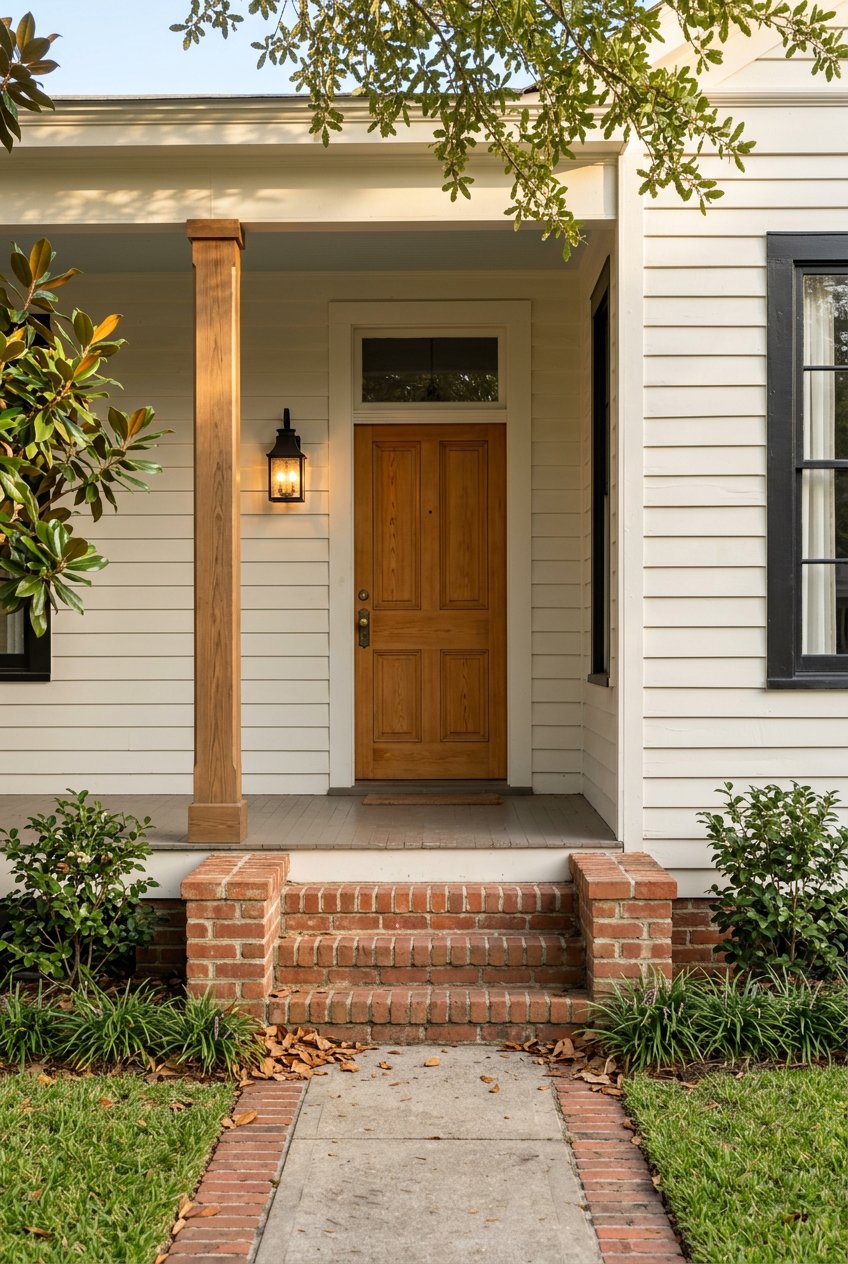
Dreaming of a Fitzgerald charmer with original woodwork, tall windows, and a deep front porch? Buying a historic home can be incredibly rewarding, but it also comes with unique rules, inspections, and repair decisions. If you plan ahead, you can protect your budget, preserve the home’s character, and enjoy a smoother renovation.
In this guide, you’ll learn what approvals to secure, which inspections to prioritize, what costs to expect, and how to tackle work in the right order. You’ll also see how to check if your home is in a local historic district and where to start with tax-credit questions. Let’s dive in.
Start with Fitzgerald’s rules
Parts of Fitzgerald’s downtown and nearby blocks in South Lee and West Central fall inside local historic districts. If your property sits in a district, exterior material changes often require a Certificate of Appropriateness (COA) from the city’s Historic Preservation Commission. You can review local requirements on the city’s Historic Preservation page and confirm whether your address is in a district using the city’s published historic district map.
- Review local COA guidance: City of Fitzgerald Historic Preservation
- Check the district map: Fitzgerald Historic District Map (PDF)
Next, call Community Development to confirm permits for structural, electrical, plumbing, mechanical, and demolition work. Early contact helps you avoid stop-work orders and keeps your timeline realistic. Find contacts and permit details on the Fitzgerald Building Department page.
First calls to make
If you’re serious about a historic home, line up these early conversations:
- City Community Development. Confirm permit thresholds and whether a COA is required for planned exterior work.
- Historic Preservation Commission staff. Ask about application steps, meeting schedules, and submittal materials.
- Georgia DCA/SHPO and your tax advisor. If you hope to use the state historic tax credit (up to 25% of qualified rehabilitation expenses for certified projects), review the rules, caps, and preapproval steps early. Start with the Georgia Historic Rehabilitation Tax Credit rules.
- SHPO for the federal credit. The federal Rehabilitation Investment Tax Credit (20%) applies to income-producing historic properties and requires a strict review process. Learn more through the Georgia DCA overview of the federal tax credit.
- Renovation-friendly lender. Consider a purchase plus renovation product such as Fannie Mae’s HomeStyle Renovation so your improvements are financed within one loan.
Common historic-home issues in Fitzgerald
South Georgia’s warm, humid climate is tough on older materials. Plan for these items during due diligence.
Termites and hidden wood damage
Subterranean termites are active across Georgia, and damage can hide inside porches, sills, and floor framing. Order a separate wood-destroying insect inspection as a contingency item. Learn why this matters from the University of Georgia’s guidance on subterranean termite biology. If damage is found, budget for both treatment and carpentry repairs.
Crawlspace moisture and sagging floors
Older pier-and-beam or raised homes often have damp crawlspaces, rotted sills or joists, and floors that sag. Solutions usually include improving drainage, shimming or replacing piers, and swapping out decayed framing. Stopping moisture is key to long-term stability.
Old electrical systems and panels
Historic houses may include knob-and-tube wiring, cloth-insulated conductors, outdated fuse boxes, or mid-century aluminum branch circuits. These can trigger safety concerns, lender conditions, and insurer limits. Plan for a licensed electrician’s evaluation and, if needed, a partial or full rewire.
Plumbing materials and low flow
Galvanized steel water lines can clog inside and reduce pressure. Some older homes may also contain polybutylene lines and pre-1986 lead-based solder. A plumbing inspection will confirm materials and help you price a repipe if needed.
Roofs, flashing, and chimneys
Aging shingles, leaky flashing, and unlined or deteriorated chimneys are common. Expect a roof evaluation and a chimney specialist if the fireplace is active. Many buyers plan for near-term roof work on older homes.
Lead paint and asbestos
If the home was built before 1978, assume lead-based paint may be present and use lead-safe work practices when paint is disturbed. EPA’s RRP rule requires certified firms for many paid renovation activities in pre-1978 housing. If you suspect asbestos in flooring, pipe insulation, or textured ceilings, arrange testing before demolition. Review required lead-safe practices here: EPA Renovation, Repair, and Painting Program.
Historic windows and original trim
Original wood windows and millwork are character-defining. National Park Service guidance encourages repair and weatherization first, since careful restoration plus storm windows often performs well and preserves historic appearance. Explore NPS advice on energy efficiency and historic buildings.
Your due diligence timeline
Use your inspection contingency window to get facts fast. A practical sequence for older homes:
- General home inspection. This sets the punch list and flags specialty issues.
- Wood-destroying insect inspection. Important in south Georgia for termites and related pests.
- Licensed electrician review. Confirm wiring types, panel capacity, grounding, and safety. Request a rewire estimate if needed.
- Plumbing inspection. Identify galvanized or polybutylene lines and price a repipe if present.
- Structural engineer (if flagged). Bring in an engineer for visible settlement, sagging floors, or major framing concerns.
- Sewer scope and septic/well tests (if applicable). A camera inspection can reveal older line failures before you buy.
- Hazardous materials testing. Lead paint tests and asbestos sampling if age and materials suggest risk.
- HVAC inspection and load analysis. Confirm system age, duct condition, and likely replacement costs.
- COA consultation. If exterior changes are planned in a historic district, add time for COA review and public meetings.
Pro tip: ask the seller early for any permit records, past termite bonds, and system service history. These can speed up bids and sharpen negotiations.
Budget planning basics
Historic renovations often cost more than modern rehabs because of hidden conditions and careful preservation. Use these national and regional ranges as starting points, then verify with local bids in Fitzgerald.
- Electrical remediation to full rewire: about $5,000 to $30,000 or more depending on size and access. For reference, see industry guidance on the cost to rewire a house.
- Foundation, pier, and beam work: roughly $3,000 to $15,000 for moderate reshimming and joist or pier repairs; major leveling can exceed that.
- Roof replacement (asphalt shingles): often $6,000 to $16,000 for a typical modest single-family home. Material choices can drive costs higher.
- HVAC replacement: commonly $4,000 to $12,000 or more depending on system size, ductwork, and whether you choose a heat pump.
- Plumbing repipe: from a few thousand dollars to $10,000 or more depending on scope and access.
- Windows: repair and add storms if feasible to preserve character and control costs; modern replacement windows often run $400 to $2,000 per unit installed depending on material and performance.
- Kitchens and baths: midrange kitchens can land around $20,000 to $80,000 or higher; baths often range $10,000 to $30,000 or more.
Always add a contingency of 10 to 25 percent for surprises like hidden rot, termite repairs, or code-driven upgrades. Request written, line-item estimates from licensed trades so you can compare pricing and prioritize scope.
Permits, COAs, and incentives made simple
Here is how approvals and incentives typically line up in Fitzgerald:
- COA for exterior changes in historic districts. If the work changes materials or design visible from the street, you likely need a COA before pulling permits or starting work. Start with Fitzgerald Historic Preservation to confirm.
- Building permits for system and structural work. Community Development issues permits and coordinates inspections for building, electrical, plumbing, mechanical, and demolition. Check the Building Department page for applications and contacts.
- Georgia Historic Rehabilitation Tax Credit. Qualifying certified projects may receive a state credit up to 25% of qualified rehabilitation expenditures (program caps and rules apply). Review the Georgia administrative rules and contact DCA/SHPO early.
- Federal Rehabilitation Investment Tax Credit. A 20% federal credit applies to income-producing historic properties and requires SHPO and National Park Service review. See the DCA program overview and consult your tax advisor.
Important: submit required preapplications before work begins if you plan to claim credits. Keep detailed photos, plans, and receipts to support reviews.
A simple plan to get started
- Pull the historic district map and check COA rules for your address.
- Include a 7 to 14 day inspection contingency in your offer.
- Order a general home inspection, then add termite, electrician, plumbing, and other specialty checks.
- Request written bids for any code or safety items before waiving contingencies.
- Speak with an experienced renovation lender about purchase plus renovation options.
- Meet with Community Development to align permits, COA timing, and project scope.
- Build a realistic budget with a 10 to 25 percent contingency.
Buying a historic home in Fitzgerald is about striking the right balance between preservation and practicality. With clear approvals, the right inspections, and a contractor-smart budget, you can honor the home’s character while making it safe, comfortable, and efficient for today.
If you want a licensed-contractor perspective as you shop, review bids, and plan scope, reach out. Ramona Bennett blends local market expertise with hands-on renovation insight to help you buy and renovate with confidence.
FAQs
Do I need a COA for exterior work on a Fitzgerald historic home?
- If the property is inside a local historic district and you plan a material exterior change, you likely need a Certificate of Appropriateness before work begins. Start with the city’s guidance on Fitzgerald’s Historic Preservation page and speak with Community Development for specifics.
Can I use state or federal historic tax credits on a primary residence in Georgia?
- Georgia’s state program offers credits for certified rehabilitations with rules, caps, and preapproval steps, while the federal 20% credit is generally limited to income-producing properties. Confirm eligibility with Georgia DCA/SHPO and a tax professional before starting work.
What inspections should I budget for when buying an older Fitzgerald home?
- Plan for a general home inspection, termite/WDI inspection, licensed electrician and plumbing evaluations, structural engineer if needed, sewer scope or septic tests, hazardous-materials testing where appropriate, and an HVAC assessment.
Do I have to replace original wood windows to improve energy efficiency?
- Not necessarily. Many owners repair and weather-strip historic windows and add storm windows, which can improve performance while preserving character and potentially reducing costs.
Can I get a mortgage or insurance with knob-and-tube wiring?
- Sometimes, but many lenders and insurers require remediation or limit coverage until safety issues are corrected. Get a licensed electrician’s report and pricing for partial or full rewiring during your inspection window.
